Reasons for Foot and Ankle Pain While Running

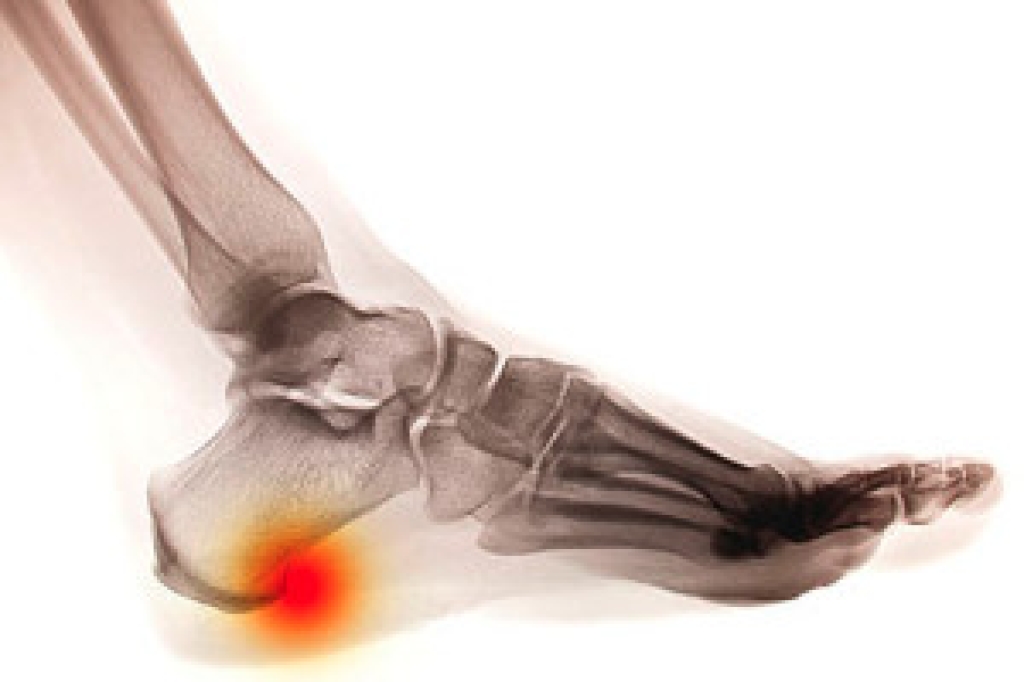
While running is a popular fitness exercise, it places repeated stress on the feet and ankles that can lead to pain. Common reasons for running pain include overuse, weak or tight muscles, and wearing shoes that no longer provide enough support. Previous injuries, such as ankle sprains, can also cause lasting weakness and make new injuries more likely. Running pain also may develop from Achilles tendon problems, plantar fasciitis, or stress fractures. Some runners feel pain in the heel, while others notice it in the arch, ankle, or along the side of the foot. A podiatrist can examine the foot and ankle to find the source of the pain. Treatment includes custom orthotics, bracing, and guidance on better running shoes. Surgery may be needed if the injury is severe. If you have foot or ankle pain while running, it is suggested that you schedule an appointment with a podiatrist for a diagnosis and appropriate treatment. 

Exercising your feet regularly with the proper foot wear is a great way to prevent injuries. If you have any concerns about your feet, contact one of our podiatrists of Foot & Ankle Associates of Maine. Our doctors will treat your foot and ankle needs.

How to Prevent Running Injuries

Many common running injuries are caused by overuse and overtraining. When the back of the kneecap starts wearing out and starts causing pain in your knee, this is commonly referred to as runner’s knee. Runner’s knee is a decrease in strength in your quadriceps and can occur if you’re not wearing properly fitted or supporting shoes. To prevent runner’s knee, focusing on hip strengthening is a good idea, as well as strengthening your quads to keep the kneecaps aligned.

What Are Some Causes of Running Injuries? 
- One cause of a common running injury is called iliotibial band syndrome.
- Plantar fasciitis is also another common injury.
- Stress fractures can occur from overtraining, lack of calcium, or even your running style.

Best Ways to Prevent Running Injuries
- Wear footwear that fits properly and suits your running needs.
- Running shoes are the only protective gear that runners have to safeguard them from injury.
- Make a training schedule. Adding strengthening exercises as well as regular stretching can help keep you strong and limber and can lessen the possibility of injuries.
- Stretching keeps muscles limber; this will help you gain better flexibility.

If you have any questions, please feel free to contact our office located in Brunswick, ME . We offer the newest diagnostic and treatment technologies for all your foot care needs.

Read more about How to Prevent Running Injuries

Gout Pain Can Be Managed

Gout is a painful, inflammatory form of arthritis. Those affected will typically feel an intense stiffness in the joints of their feet, particularly in the big toe. Schedule a visit to learn about how gout can be managed and treated.

Foot Pain in the Arch and Toes as You Age

Pain in the middle of the foot and changes in the smaller toes can develop gradually, over time. These problems are more common with aging and increased body weight, which place extra pressure on the feet. Arthritis in the arch area can cause stiffness, swelling, and discomfort during walking or standing. At the same time, the lesser toes may begin to bend or shift, leading to deformities such as hammertoes or claw toes. This can create pressure points, corns, and trouble with shoes. Wearing supportive footwear, using custom orthotics, and seeking early care can help reduce strain and improve comfort. Gentle activity and weight management may also help protect foot health. If you notice ongoing pain, toe changes, or difficulty with movement, it is suggested you seek evaluation by a podiatrist for proper care and guidance.

Arthritis can be a difficult condition to live with. If you are seeking treatment, contact one of our podiatrists from Foot & Ankle Associates of Maine. Our doctors can provide the care you need to keep you pain-free and on your feet.

Arthritic Foot Care  

Arthritis is a joint disorder that involves the inflammation of different joints in your body, such as those in your feet. Arthritis is often caused by a degenerative joint disease and causes mild to severe pain in all affected areas. In addition to this, swelling and stiffness in the affected joints can also be a common symptom of arthritis.

In many cases, wearing ill-fitting shoes can worsen the effects and pain of arthritis. Wearing shoes that have a lower heel and extra room can help your feet feel more comfortable. In cases of rheumatoid arthritis, the arch in your foot may become problematic. Buying shoes with proper arch support that contour to your feet can help immensely.

Alleviating Arthritic Pain

  • Exercises that stretch the foot can prevent further pain and injury and increase mobility
  • Most of the pain can be alleviated with anti-inflammatory drugs, heat, and topical medications
  • Massages can help temporarily alleviate pain.

It is best to see your doctor for the treatment that is right for your needs and symptoms. Conditions vary, and a podiatrist can help you determine the right method of care for your feet.

If you have any questions please feel free to contact our office located in Brunswick, ME . We offer the newest diagnostic tools and technology to treat your foot and ankle needs.

Read more about Arthritic Foot Care

Exercises for Pain in the Ball of the Foot

Pain in the ball of the foot, often called metatarsalgia, can result from overuse, high-impact activities, wearing improper footwear, or conditions such as bunions or hammertoes. It may feel like a burning, aching, or sharp sensation that worsens with standing or walking. Simple, targeted exercises can help improve strength and flexibility. Calf raises help support the forefoot and are performed by slowly lifting your heels off the ground, then lowering back down with control. Tiptoe walking is another effective option, encouraging balance and strengthening foot muscles by walking forward on your toes for short distances. A golf ball roll can relieve tension, using gentle pressure to massage the sole by rolling your foot over a golf ball. These exercises may ease discomfort and improve function. If pain continues, it is suggested that you see a podiatrist for evaluation and care, which may include additional suggested exercises.

Exercising your feet regularly with the proper foot wear is a great way to prevent injuries and build strength. If you have any concerns about your feet, contact one of our podiatrists from Foot & Ankle Associates of Maine. Our doctors can provide the care you need to keep you pain-free and on your feet.

Exercise for Your Feet

Exercise for your feet can help you gain strength, mobility and flexibility in your feet. They say that strengthening your feet can be just as rewarding as strengthening another part of the body. Your feet are very important, and we often forget about them in our daily tasks. But it is because of our feet that are we able to get going and do what we need to. For those of us fortunate enough to not have any foot problems, it is an important gesture to take care of them to ensure good health in the long run.

Some foot health exercises can include ankle pumps, tip-toeing, toe rises, lifting off the floor doing reps and sets, and flexing the toes. It is best to speak with Our doctors to determine an appropriate regimen for your needs. Everyone’s needs and bodies are different, and the activities required to maintain strength in the feet vary from individual to individual. 

Once you get into a routine of doing regular exercise, you may notice a difference in your feet and how strong they may become.

If you have any questions, please feel free to contact our office located in Brunswick, ME . We offer the newest diagnostic and treatment technologies for all your foot care needs.
Read more about Exercise for Your Feet

Diabetic and Non-Diabetic Foot Ulcers Explained

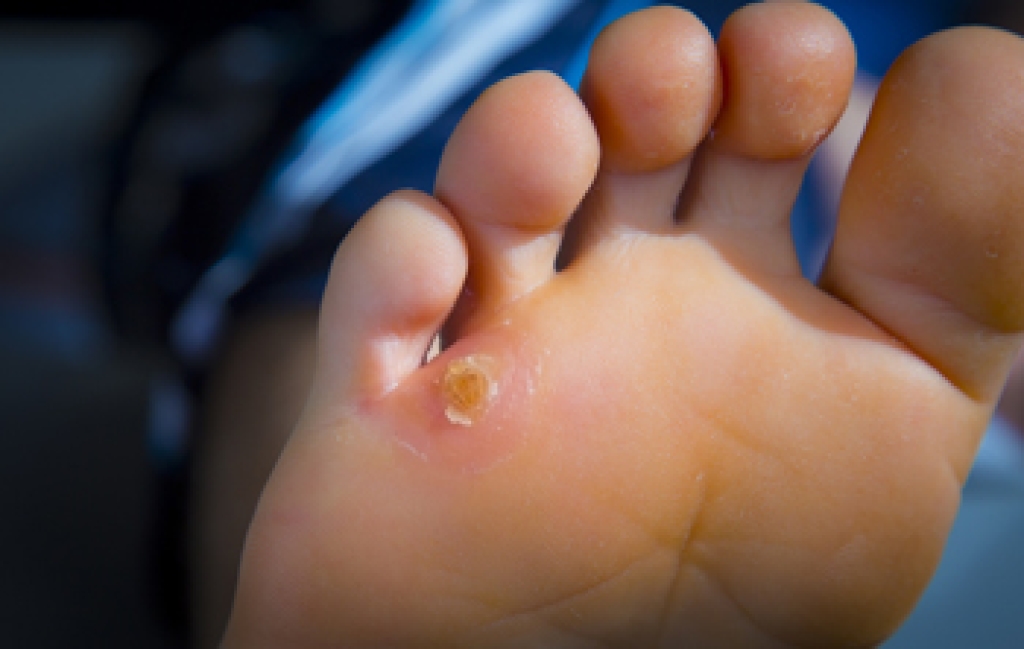
Foot ulcers are open sores that commonly affect the feet and can occur in both diabetic and non-diabetic individuals. Diabetic foot ulcers are primarily caused by peripheral neuropathy and poor circulation, which reduce sensation and slow healing. Minor injuries may go unnoticed and develop into serious wounds. In contrast, non-diabetic foot ulcers are often linked to pressure, trauma, vascular disease, or skin conditions. While they may heal more predictably, underlying issues still require attention. Both types need proper wound care, including cleaning, protection, and sometimes medical treatment. Early diagnosis is essential to prevent infection or complications. Maintaining good foot hygiene, wearing supportive footwear, and monitoring skin changes can significantly reduce risk and promote healing outcomes. Patients should seek professional care from a podiatrist if wounds do not improve quickly or show signs of redness, swelling, pain, or discharge. Early intervention improves overall recovery.

Wound care is an important part in dealing with diabetes. If you have diabetes and a foot wound or would like more information about wound care for diabetics, consult with one of our podiatrists from Foot & Ankle Associates of Maine. Our doctors will assess your condition and provide you with quality foot and ankle treatment.

What Is Wound Care?

Wound care is the practice of taking proper care of a wound. This can range from the smallest to the largest of wounds. While everyone can benefit from proper wound care, it is much more important for diabetics. Diabetics often suffer from poor blood circulation which causes wounds to heal much slower than they would in a non-diabetic. 

What Is the Importance of Wound Care?

While it may not seem apparent with small ulcers on the foot, for diabetics, any size ulcer can become infected. Diabetics often also suffer from neuropathy, or nerve loss. This means they might not even feel when they have an ulcer on their foot. If the wound becomes severely infected, amputation may be necessary. Therefore, it is of the upmost importance to properly care for any and all foot wounds.

How to Care for Wounds

The best way to care for foot wounds is to prevent them. For diabetics, this means daily inspections of the feet for any signs of abnormalities or ulcers. It is also recommended to see a podiatrist several times a year for a foot inspection. If you do have an ulcer, run the wound under water to clear dirt from the wound; then apply antibiotic ointment to the wound and cover with a bandage. Bandages should be changed daily and keeping pressure off the wound is smart. It is advised to see a podiatrist, who can keep an eye on it.

If you have any questions please contact our office located in Brunswick, ME . We offer the newest diagnostic and treatment technologies for all your foot and ankle needs.

Read more about Wound Care

Connect With Us