Protecting Your Feet When You Have Diabetes

Living with diabetes requires daily attention to foot health. High blood sugar can damage nerves and reduce circulation over time. When feeling decreases, small cuts or blisters may go unnoticed. Poor blood flow can also slow healing, allowing minor injuries to become serious wounds. Common concerns include dry, cracked skin, calluses, infections, and open sores. Changes in foot shape or skin color should also be taken seriously. Even a small problem can worsen quickly without proper care. Washing and drying the feet carefully, applying moisturizer to prevent cracking, and wearing well-fitting shoes are simple but important steps. Checking the bottoms of the feet each day helps detect changes. Regular visits with a podiatrist provide professional monitoring and early treatment when needed. Managing blood sugar levels also plays a key role in protecting foot health. If you have diabetes and notice redness, swelling, numbness, or a sore on your foot that is not healing, it is suggested that you see a podiatrist for a proper diagnosis and appropriate treatment.

Diabetic foot care is important in preventing foot ailments such as ulcers. If you are suffering from diabetes or have any other concerns about your feet, contact one of our podiatrists from Foot & Ankle Associates of Maine. Our doctors can provide the care you need to keep you pain-free and on your feet.

Diabetic Foot Care

Diabetes affects millions of people every year. The condition can damage blood vessels in many parts of the body, especially the feet. Because of this, taking care of your feet is essential if you have diabetes, and having a podiatrist help monitor your foot health is highly recommended.

The Importance of Caring for Your Feet

  • Routinely inspect your feet for bruises or sores.
  • Wear socks that fit your feet comfortably.
  • Wear comfortable shoes that provide adequate support.

Patients with diabetes should have their doctor monitor their blood levels, as blood sugar levels play such a huge role in diabetic care. Monitoring these levels on a regular basis is highly advised.

It is always best to inform your healthcare professional of any concerns you may have regarding your feet, especially for diabetic patients. Early treatment and routine foot examinations are keys to maintaining proper health, especially because severe complications can arise if proper treatment is not applied.

If you have any questions, please feel free to contact our office located in Brunswick, ME . We offer the newest diagnostic and treatment technologies for all your foot care needs.

Read more about Diabetic Foot Conditions

Foot Fractures and the Importance of Proper Diagnosis

A foot fracture, commonly referred to as a broken foot, occurs when one or more of the bones in the foot crack or break due to trauma, overuse, or stress. Because symptoms like swelling, bruising, and pain can resemble an ankle sprain, a fracture is sometimes misdiagnosed, leading to delayed healing and further complications. Types of foot fractures include stress fractures, displaced fractures, and hairline fractures, each requiring specific management. An accurate diagnosis through clinical evaluation and imaging tests is essential for proper treatment. A podiatrist can identify the source of pain, provide immobilization or other therapies, and guide recovery. If you have broken your foot, it is suggested that you consult a podiatrist who can guide you toward proper treatment, ensuring your injury heals correctly and completely. 

A broken foot requires immediate medical attention and treatment. If you need your feet checked, contact one of our podiatrists from Foot & Ankle Associates of Maine. Our doctors can provide the care you need to keep you pain-free and on your feet.

Broken Foot Causes, Symptoms, and Treatment

A broken foot is caused by one of the bones in the foot typically breaking when bended, crushed, or stretched beyond its natural capabilities. Usually the location of the fracture indicates how the break occurred, whether it was through an object, fall, or any other type of injury. 

Common Symptoms of Broken Feet:

  • Bruising
  • Pain
  • Redness
  • Swelling
  • Blue in color
  • Numbness
  • Cold
  • Misshapen
  • Cuts
  • Deformities

Those that suspect they have a broken foot shoot seek urgent medical attention where a medical professional could diagnose the severity.

Treatment for broken bones varies depending on the cause, severity and location. Some will require the use of splints, casts or crutches while others could even involve surgery to repair the broken bones. Personal care includes the use of ice and keeping the foot stabilized and elevated.

If you have any questions, please feel free to contact our office located in Brunswick, ME . We offer the newest diagnostic and treatment technologies for all your foot care needs.

Read more about Causes, Symptoms, and Treatment for a Broken Foot

Are You Suffering From Ingrown Toenails?

If left untreated, an ingrown toenail can lead to more serious concerns, such as an infection. Knowing proper nail care can help in the prevention of an ingrown toenail. Give us a call, and get treated!

How Shoes Help Protect Diabetic Feet

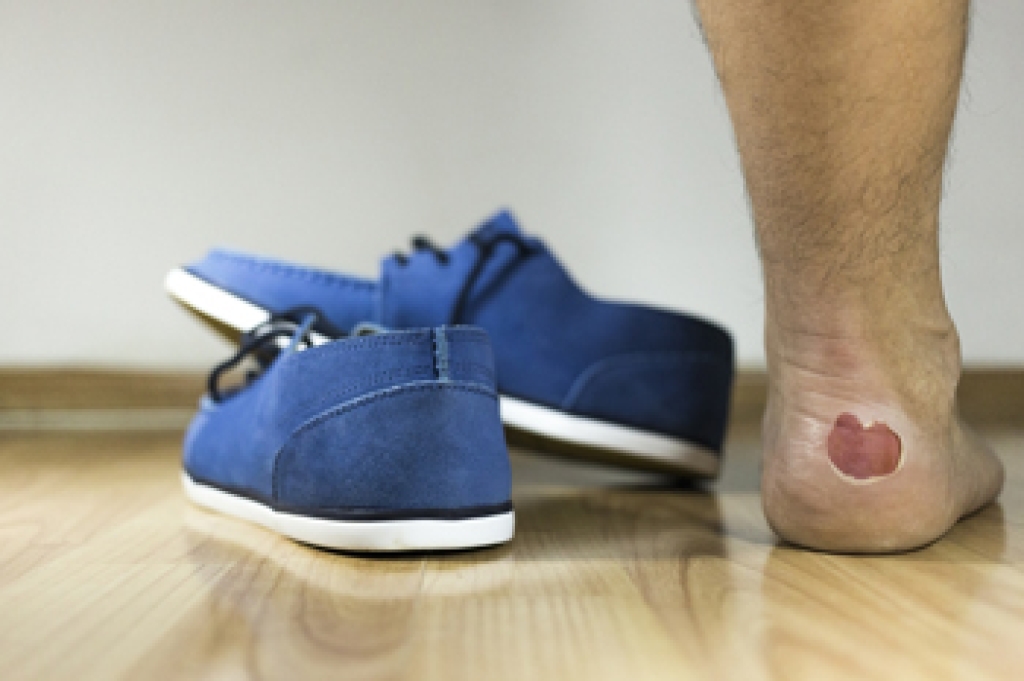
People living with type 2 diabetes face a higher risk for skin breakdown on the feet because circulation, sensation, and pressure tolerance can be changed. Footwear plays a quiet but powerful role in prevention. Shoes that fit well reduce friction, limit pressure points, and protect vulnerable skin from repeated trauma. A deep toe box, soft interior linings, and firm heel support help distribute weight more evenly during walking. Cushioning absorbs shock, while stable soles improve balance and reduce shear forces. Breathable materials help manage moisture, lowering the chance of irritation or infection. Worn out shoes or poorly fitting styles can create rubbing that leads to blisters, calluses, and open areas or wounds that heal slowly. Choosing shoes with professional guidance and replacing them regularly supports daily foot protection. If redness, sores, pressure areas, or wounds appear on your feet, it is suggested that you see a podiatrist who can provide the necessary treatment.

Wound care is an important part in dealing with diabetes. If you have diabetes and a foot wound or would like more information about wound care for diabetics, consult with one of our podiatrists from Foot & Ankle Associates of Maine. Our doctors will assess your condition and provide you with quality foot and ankle treatment.

What Is Wound Care?

Wound care is the practice of taking proper care of a wound. This can range from the smallest to the largest of wounds. While everyone can benefit from proper wound care, it is much more important for diabetics. Diabetics often suffer from poor blood circulation which causes wounds to heal much slower than they would in a non-diabetic. 

What Is the Importance of Wound Care?

While it may not seem apparent with small ulcers on the foot, for diabetics, any size ulcer can become infected. Diabetics often also suffer from neuropathy, or nerve loss. This means they might not even feel when they have an ulcer on their foot. If the wound becomes severely infected, amputation may be necessary. Therefore, it is of the upmost importance to properly care for any and all foot wounds.

How to Care for Wounds

The best way to care for foot wounds is to prevent them. For diabetics, this means daily inspections of the feet for any signs of abnormalities or ulcers. It is also recommended to see a podiatrist several times a year for a foot inspection. If you do have an ulcer, run the wound under water to clear dirt from the wound; then apply antibiotic ointment to the wound and cover with a bandage. Bandages should be changed daily and keeping pressure off the wound is smart. It is advised to see a podiatrist, who can keep an eye on it.

If you have any questions please contact our office located in Brunswick, ME . We offer the newest diagnostic and treatment technologies for all your foot and ankle needs.

Read more about Wound Care

How to Avoid Foot Problems Working in the Restaurant Business

Working in the restaurant industry often means long hours on hard floors, quick movements, and constant standing, all of which can lead to foot pain and injury. To avoid common foot problems, it is important to wear non-slip shoes that provide stability and reduce the risk of falls in fast-paced kitchen and dining environments. Proper arch support is equally important, as it helps distribute weight evenly, reduce strain, and prevent plantar fasciitis and heel pain. Maintaining good foot hygiene and replacing worn footwear also supports long-term comfort. If you have foot pain during your work day, it is suggested that you consult a podiatrist who can treat various foot and ankle conditions, and guide you on the correct shoes to wear.

While working on the feet, it is important to take the proper care of them. For more information about working on your feet, contact one of our podiatrists from Foot & Ankle Associates of Maine. Our doctors will treat your foot and ankle needs.

Working on Your Feet

Standing on your feet for long periods of time can cause stress and pain in your feet. Your whole body may experience change in terms of posture, back pain, bunions, callouses and or plantar warts. There are ways to avoid these conditions with proper foot care, smart choices and correct posture.

Positive Changes

Negative heeled shoe – Choosing this shoe type places the heel slightly lower than the ball of the foot. These are great for overall foot health. Find shoes that fit you correctly.

Go barefoot – Our feet were not designed to be enclosed for all hours of the day. Try to periodically expose your feet to air.

Eliminate Pain

Foot Exercises – Performing simple exercises, incorporating yoga and doing stretches are beneficial. This will allow increased blood flow to the area and muscles of the foot.

Achilles tendon – Stretching the foot out flat on the floor will relax the calf muscles and tendon. These exercises can be performed almost anywhere. Make sure you add these exercises to your daily regimen. 

With a little bit of this information and knowing more about foot health, you will notice changes. Foot stretches and proper footwear will help with pain and prevent further issues.

If you have any questions please contact our office located in Brunswick, ME . We offer the newest diagnostic and treatment technologies for all your foot and ankle needs.

Read more about Working on Your Feet

Connect With Us