
Why Live with Pain and Numbness in Your Feet?

Suffering from this type of pain? You may have the foot condition known as Morton's neuroma. Morton's neuroma may develop as a result of ill-fitting footwear and existing foot deformities. We can help.

When Every Step Hurts

Foot pain can arise from several common conditions that quietly worsen over time, including ingrown toenails, corns, bunions, and hammertoes. These problems may look like red swollen nail edges, thickened skin bumps, bony protrusions, or curled toes that rub against shoes. They can feel sharp, burning, throbbing, or stiff, making walking uncomfortable and limiting daily activity. Causes often include poorly fitting footwear, inherited foot shape, repetitive pressure, or improper nail trimming. A podiatrist begins by carefully examining the foot to identify the source of pain and rule out infection or structural damage. From there, treatment may include safe nail or skin care, custom orthotics or padding to reduce pressure, and corrective procedures when needed. Early care helps prevent complications and restores comfort. Understanding the cause of discomfort is the first step toward lasting relief. If you have foot pain, it is suggested that you make an appointment with a podiatrist.

Foot Pain

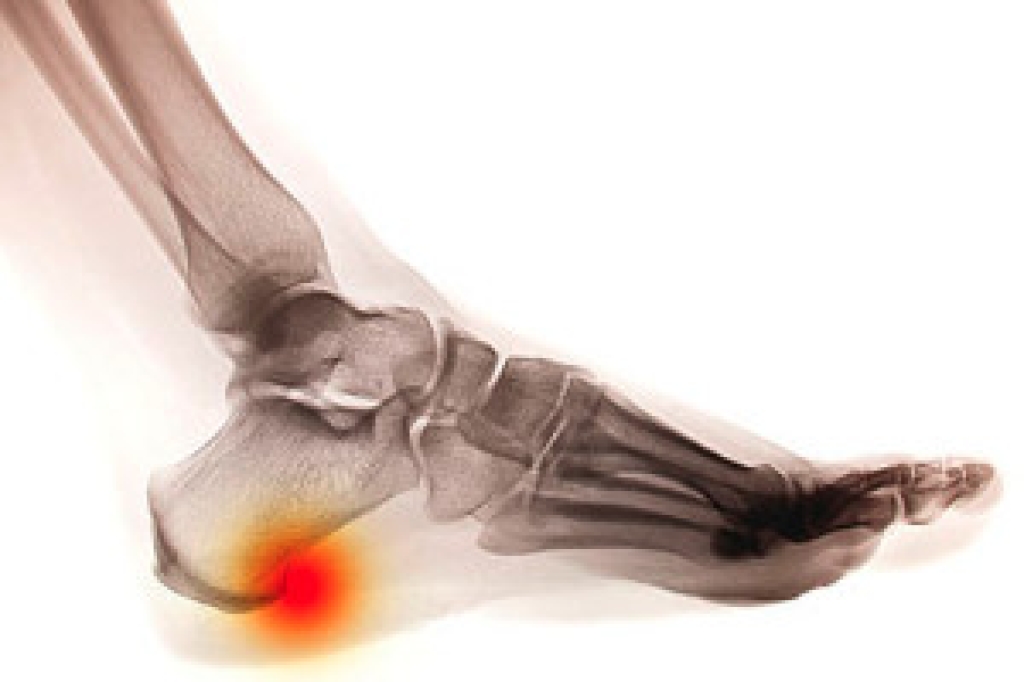
Foot pain can be extremely painful and debilitating. If you have a foot pain, consult with one of our podiatrists from Foot & Ankle Associates of Maine. Our doctors will assess your condition and provide you with quality foot and ankle treatment.

Causes

Foot pain is a very broad condition that could be caused by one or more ailments. The most common include:

  • Bunions
  • Hammertoes
  • Plantar Fasciitis
  • Bone Spurs
  • Corns
  • Tarsal Tunnel Syndrome
  • Ingrown Toenails
  • Arthritis (such as Gout, Rheumatoid, and Osteoarthritis)
  • Flat Feet
  • Injury (from stress fractures, broken toe, foot, ankle, Achilles tendon ruptures, and sprains)
  • And more

Diagnosis

To figure out the cause of foot pain, podiatrists utilize several different methods. This can range from simple visual inspections and sensation tests to X-rays and MRI scans. Prior medical history, family medical history, and any recent physical traumatic events will all be taken into consideration for a proper diagnosis.

Treatment

Treatment depends upon the cause of the foot pain. Whether it is resting, staying off the foot, or having surgery; podiatrists have a number of treatment options available for foot pain.

If you have any questions, please feel free to contact our office located in Brunswick, ME . We offer the newest diagnostic and treatment technologies for all your foot care needs.

Read more about Foot Pain

Tarsal Tunnel Syndrome and Nerve Pain in the Foot

Tarsal tunnel syndrome is a condition caused by compression of the posterior tibial nerve as it travels through the tarsal tunnel near the ankle. This nerve irritation can lead to pain, burning, tingling, or numbness in the toes, sole, or heel. Symptoms may worsen with standing or walking and improve with rest. Common causes include flat feet, swelling, varicose veins, cysts, or injury. Diagnosis is based on a clinical exam and may be supported by imaging such as ultrasound or MRI scans to identify nerve compression. A podiatrist can evaluate symptoms, determine the underlying cause, and develop a treatment plan that may include footwear changes, orthotics, or other interventions. If you have persistent foot pain or numbness, it is suggested you schedule a visit with a podiatrist for expert care and a personalized treatment plan.

Tarsal tunnel syndrome can be very uncomfortable to live with. If you are experiencing tarsal tunnel syndrome, contact one of our podiatrists of Foot & Ankle Associates of Maine. Our doctors can provide the care you need to keep you pain-free and on your feet.

Tarsal Tunnel Syndrome

Tarsal tunnel syndrome, which can also be called tibial nerve dysfunction, is an uncommon condition of misfiring peripheral nerves in the foot. The tibial nerve is the peripheral nerve in the leg responsible for sensation and movement of the foot and calf muscles. In tarsal tunnel syndrome, the tibial nerve is damaged, causing problems with movement and feeling in the foot of the affected leg.

Common Cause of Tarsal Tunnel Syndrome

  • Involves pressure or an injury, direct pressure on the tibial nerve for an extended period of time, sometimes caused by other body structures close by or near the knee.
  • Diseases that damage nerves, including diabetes, may cause tarsal tunnel syndrome.
  • At times, tarsal tunnel syndrome can appear without an obvious cause in some cases.

The Effects of Tarsal Tunnel Syndrome

  • Different sensations, an afflicted person may experience pain, tingling, burning or other unusual sensations in the foot of the affected leg.
  • The foot muscles, toes and ankle become weaker, and curling your toes or flexing your foot can become difficult.
  • If condition worsens, infections and ulcers may develop on the foot that is experiencing the syndrome.

A physical exam of the leg can help identify the presence of tarsal tunnel syndrome. Medical tests, such as a nerve biopsy, are also used to diagnose the condition. Patients may receive physical therapy and prescriptive medication. In extreme cases, some may require surgery.

If you have any questions please contact our office located in Brunswick, ME . We offer the newest diagnostic and treatment technologies for all your foot and ankle needs.


Read more about Tarsal Tunnel Syndrome

Types of Infections in the Feet

Foot infections can affect the skin, nails, and deeper tissues of the toes, soles, and ankles when bacteria or fungi enter small breaks in the skin. Fungal infections involve athlete’s foot, which affects the skin between or under the toes, and onychomycosis, which causes thickened, discolored toenails. Bacterial infections include cellulitis, where redness and swelling spread through the skin and abscesses that form painful pockets of fluid. Erythrasma is a bacterial infection that develops between the toes, often appearing as reddish or brown, mildly scaly skin that can resemble a fungal infection. Infections can worsen circulation, limit walking, and increase the risk of joint or bone involvement that sometimes requires surgery to prevent limb loss. A podiatrist can identify the infection type, evaluate its severity, and determine appropriate treatment. If you have developed a foot infection, it is suggested that you make an appointment with a podiatrist for a diagnosis and options for treatment.

When dealing with systemic disease of the feet, it is extremely important to check the affected areas routinely so that any additional problems are caught quickly.  If you have any concerns about your feet and ankles contact one of our podiatrists from Foot & Ankle Associates of Maine. Our doctors will assist you with all of your podiatric needs.

Systemic Diseases of the Feet

Systemic diseases affect the whole body, and symptoms usually are displayed in the feet. This condition can make a patient’s ability to walk unbearable.  Systemic diseases include gout, diabetes mellitus, neurological disorders, and arthritis.

Gout – is caused by an excess of uric acid in the body. Common symptoms include pain, inflammation, and redness at the metatarsal/phalangeal joint of the base big toe. Gout can be treated by NSAIDs to relieve pain and inflammation, and other drugs that lower the acid levels in the body.

Diabetes mellitus – is an increase in the level of blood sugar that the body cannot counteract with its own insulin. Failure to produce enough insulin is a factor in Diabetes.

Diabetes of the Feet

Diabetic Neuropathy – may lead to damaged nerves and affect the feet through numbness and loss of sensation.

Peripheral Vascular Disease – can restrict the blood flow to the feet, and often times lead to amputation of the feet. 

If you have any questions please contact our office located in Brunswick, ME . We offer the newest diagnostic and treatment technologies for all your foot and ankle needs.
Read more about Systemic Diseases of the Foot

Foot Stress Fractures in Runners and How to Prevent Them

Foot stress fractures are tiny cracks in bone caused by repeated impact and overuse rather than a single injury. Runners are especially prone to them because of repetitive loading during training and limited recovery time. Poor training habits, such as rapid mileage increases or lack of rest, can overload the bones. Stress fractures commonly affect the metatarsals, or long foot bones in the forefoot, and may also involve the tibia or shin bone in the lower leg. Female runners may face added risk due to low bone mineral density, which can be influenced by hormonal factors and a low-fat diet that limits bone support. Pain often starts gradually and worsens with activity. A podiatrist can diagnose the injury, guide rest and protection, address training errors, and recommend footwear or orthotics. If running pain persists or intensifies, it is suggested that you schedule a visit with a podiatrist who can offer effective treatment solutions, helping you to run safely.

Stress fractures occur when there is a tiny crack within a bone. To learn more, contact one of our podiatrists from Foot & Ankle Associates of Maine. Our doctors can provide the care you need to keep you pain free and on your feet.

How Are They Caused?

Stress fractures are the result of repetitive force being placed on the bone. Since the lower leg and feet often carry most of the body’s weight, stress fractures are likely to occur in these areas. If you rush into a new exercise, you are more likely to develop a stress fracture since you are starting too much, too soon.  Pain resulting from stress fractures may go unnoticed at first, however it may start to worsen over time.

Risk Factors

  • Gender – They are more commonly found in women compared to men.
  • Foot Problems – People with unusual arches in their feet are more likely to develop stress fractures.
  • Certain Sports – Dancers, gymnasts, tennis players, runners, and basketball players are more likely to develop stress fractures.
  • Lack of Nutrients – A lack of vitamin D and calcium may weaken the bones and make you more prone to stress fractures
  • Weak Bones – Osteoporosis can weaken the bones therefore resulting in stress fractures

Stress fractures do not always heal properly, so it is important that you seek help from a podiatrist if you suspect you may have one. Ignoring your stress fracture may cause it to worsen, and you may develop chronic pain as well as additional fractures.

If you have any questions please contact our office located in Brunswick, ME . We offer the newest diagnostic and treatment technologies for all your foot and ankle needs.

Read more about Stress Fractures of the Foot and Ankle

Connect With Us