Proper Cane Use Can Prevent Falling

Proper cane use can help prevent falls by improving balance and reducing strain on the feet and ankles. Using a cane the right way gives the body extra support while walking. The cane should be held on the side opposite the weaker or injured leg. This allows the stronger side to carry more weight and keeps each step steady. The cane and the weaker leg should move forward at the same time. On stairs, the stronger leg leads when going up, and the weaker leg leads when going down. Poor technique can increase the risk of falls and joint strain. A podiatrist can evaluate walking patterns, check foot alignment, and ensure the cane is the correct height. Treatment includes gait training, supportive devices, and custom orthotics to improve stability. If you need an assistive device to help you walk, it is suggested that you schedule an appointment with a podiatrist for expert guidance.

Preventing falls among the elderly is very important. If you are older and have fallen or fear that you are prone to falling, consult with one of our podiatrists from Foot & Ankle Associates of Maine. Our doctors will assess your condition and provide you with quality advice and care.

Every 11 seconds, an elderly American is being treated in an emergency room for a fall related injury. Falls are the leading cause of head and hip injuries for those 65 and older. Due to decreases in strength, balance, senses, and lack of awareness, elderly persons are very susceptible to falling. Thankfully, there are a number of things older persons can do to prevent falls.

How to Prevent Falls

Some effective methods that older persons can do to prevent falls include:

  • Enrolling in strength and balance exercise program to increase balance and strength
  • Periodically having your sight and hearing checked
  • Discuss any medications you have with a doctor to see if it increases the risk of falling
  • Clearing the house of falling hazards and installing devices like grab bars and railings
  • Utilizing a walker or cane
  • Wearing shoes that provide good support and cushioning
  • Talking to family members about falling and increasing awareness

Falling can be a traumatic and embarrassing experience for elderly persons; this can make them less willing to leave the house, and less willing to talk to someone about their fears of falling. Doing such things, however, will increase the likelihood of tripping or losing one’s balance. Knowing the causes of falling and how to prevent them is the best way to mitigate the risk of serious injury.  

If you have any questions, please feel free to contact our office located in Brunswick, ME . We offer the newest diagnostic and treatment technologies for all your foot care needs.

Read more about Falls Prevention

Sudden Foot Pain

Gout is a painful joint condition that develops when excess uric acid in the body forms sharp crystals inside a joint, most commonly in the big toe. A gout attack often begins suddenly, and may wake a person during the night with intense throbbing pain, swelling, and extreme tenderness. The joint can look red, shiny, and feel hot to the touch, making even the pressure of a bedsheet uncomfortable. Some patients also notice stiffness or difficulty walking during a flare-up. Gout may be linked to kidney function, dehydration, certain medications, family history, or diets high in purines found in foods such as red meat and shellfish. Repeated attacks can lead to lasting joint damage if the condition is not properly managed. A podiatrist can help recognize the signs of gout, evaluate the affected joint, and recommend treatment to reduce inflammation and improve comfort. If you have symptoms of gout, it is suggested that you schedule an appointment with a podiatrist for effective relief and prevention solutions.

Gout is a painful condition that can be treated. If you are seeking treatment, contact one of our podiatrists from Foot & Ankle Associates of Maine. Our doctors will treat your foot and ankle needs.

What Is Gout?

Gout is a form of arthritis that is characterized by sudden, severe attacks of pain, redness, and tenderness in the joints. The condition usually affects the joint at the base of the big toe. A gout attack can occur at any random time, such as the middle of the night while you are asleep.

Symptoms

  • Intense Joint Pain - Usually around the large joint of your big toe, and it most severe within the first four to twelve hours
  • Lingering Discomfort - Joint discomfort may last from a few days to a few weeks
  • Inflammation and Redness -Affected joints may become swollen, tender, warm and red
  • Limited Range of Motion - May experience a decrease in joint mobility

Risk Factors

  • Genetics - If family members have gout, you’re more likely to have it
  • Medications - Diuretic medications can raise uric acid levels
  • Gender/Age - Gout is more common in men until the age of 60. It is believed that estrogen protects women until that point
  • Diet - Eating red meat and shellfish increases your risk
  • Alcohol - Having more than two alcoholic drinks per day increases your risk
  • Obesity - Obese people are at a higher risk for gout

Prior to visiting your podiatrist to receive treatment for gout, there are a few things you should do beforehand. If you have gout you should write down your symptoms--including when they started and how often you experience them, important medical information you may have, and any questions you may have. Writing down these three things will help your podiatrist in assessing your specific situation so that he or she may provide the best route of treatment for you.

If you have any questions, please feel free to contact our office located in Brunswick, ME . We offer the newest diagnostic and treatment technologies for all your foot care needs.

Read more about Everything You Need to Know About Gout

Understanding Foot Pain by Location

Foot pain can often be understood by where it occurs. Pain on the top of the foot may be linked to stress fractures, which are small cracks in the bone caused by repetitive activity. Inner foot pain can be associated with flat feet, where the arch collapses, or hallux rigidus, a stiff big toe joint that limits movement. Pain on the bottom of the foot may be due to plantar fasciitis, an inflammation of the tissue that supports the arch, or heel pad syndrome, which causes deep heel discomfort. Outer foot pain may involve peroneal tendonitis or an ankle sprain from overstretched ligaments. Risk factors include overuse, wearing poor footwear, and foot structure. A podiatrist can identify the cause and provide targeted care. If you have any type of foot pain, it is suggested that you consult a podiatrist who can determine the cause and offer appropriate treatment solutions.

Foot Pain

Foot pain can be extremely painful and debilitating. If you have a foot pain, consult with one of our podiatrists from Foot & Ankle Associates of Maine. Our doctors will assess your condition and provide you with quality foot and ankle treatment.

Causes

Foot pain is a very broad condition that could be caused by one or more ailments. The most common include:

  • Bunions
  • Hammertoes
  • Plantar Fasciitis
  • Bone Spurs
  • Corns
  • Tarsal Tunnel Syndrome
  • Ingrown Toenails
  • Arthritis (such as Gout, Rheumatoid, and Osteoarthritis)
  • Flat Feet
  • Injury (from stress fractures, broken toe, foot, ankle, Achilles tendon ruptures, and sprains)
  • And more

Diagnosis

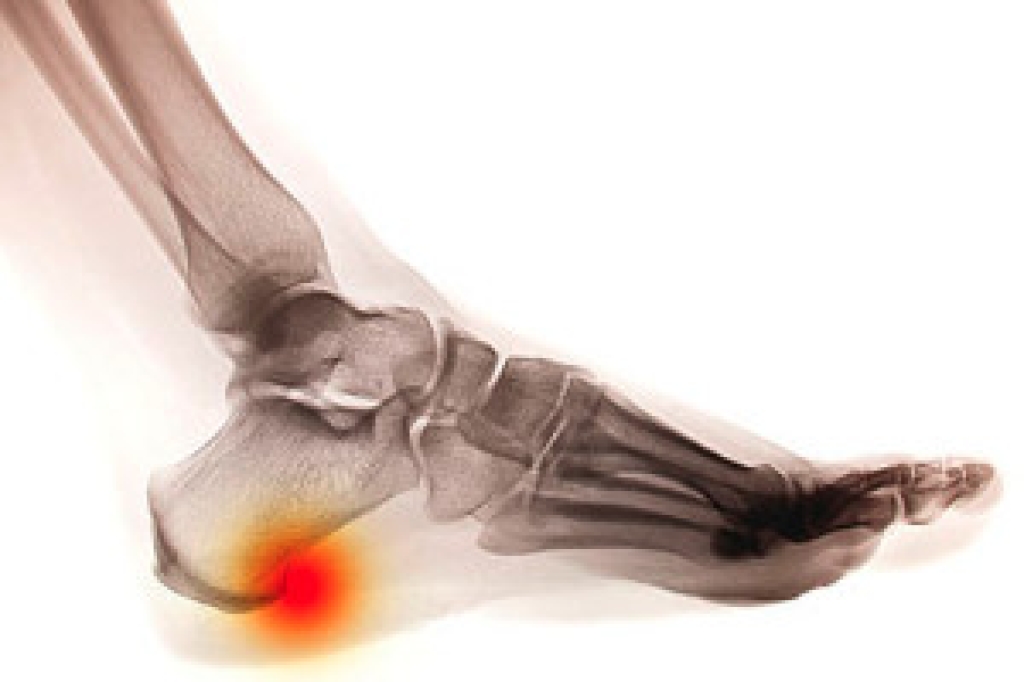
To figure out the cause of foot pain, podiatrists utilize several different methods. This can range from simple visual inspections and sensation tests to X-rays and MRI scans. Prior medical history, family medical history, and any recent physical traumatic events will all be taken into consideration for a proper diagnosis.

Treatment

Treatment depends upon the cause of the foot pain. Whether it is resting, staying off the foot, or having surgery; podiatrists have a number of treatment options available for foot pain.

If you have any questions, please feel free to contact our office located in Brunswick, ME . We offer the newest diagnostic and treatment technologies for all your foot care needs.

Read more about Foot Pain

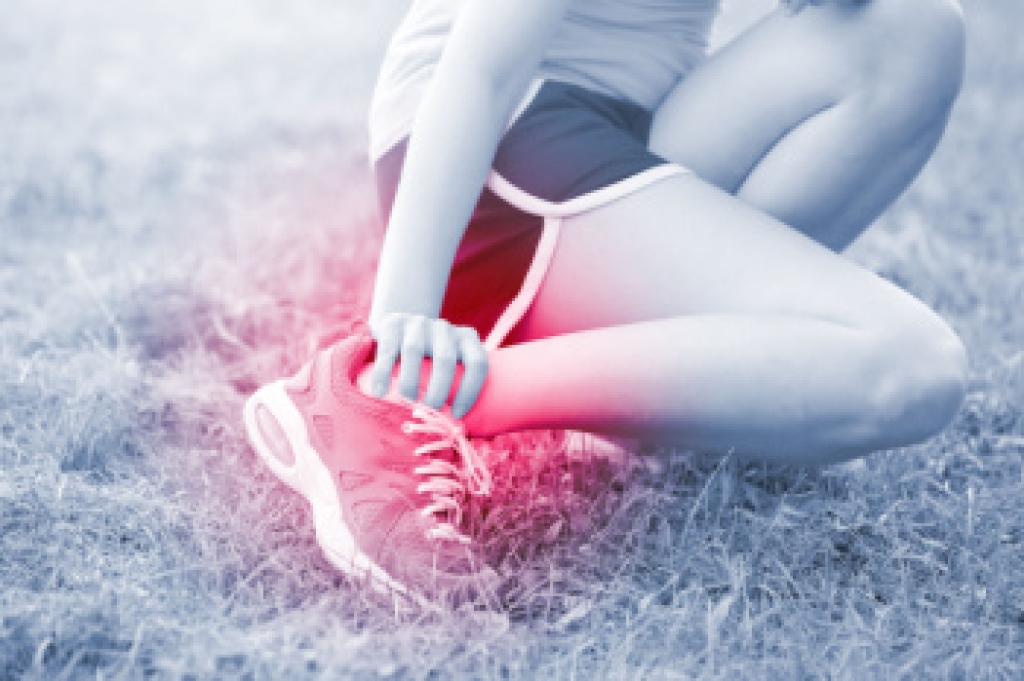
Reasons for Foot and Ankle Pain While Running

While running is a popular fitness exercise, it places repeated stress on the feet and ankles that can lead to pain. Common reasons for running pain include overuse, weak or tight muscles, and wearing shoes that no longer provide enough support. Previous injuries, such as ankle sprains, can also cause lasting weakness and make new injuries more likely. Running pain also may develop from Achilles tendon problems, plantar fasciitis, or stress fractures. Some runners feel pain in the heel, while others notice it in the arch, ankle, or along the side of the foot. A podiatrist can examine the foot and ankle to find the source of the pain. Treatment includes custom orthotics, bracing, and guidance on better running shoes. Surgery may be needed if the injury is severe. If you have foot or ankle pain while running, it is suggested that you schedule an appointment with a podiatrist for a diagnosis and appropriate treatment. 

Exercising your feet regularly with the proper foot wear is a great way to prevent injuries. If you have any concerns about your feet, contact one of our podiatrists of Foot & Ankle Associates of Maine. Our doctors will treat your foot and ankle needs.

How to Prevent Running Injuries

Many common running injuries are caused by overuse and overtraining. When the back of the kneecap starts wearing out and starts causing pain in your knee, this is commonly referred to as runner’s knee. Runner’s knee is a decrease in strength in your quadriceps and can occur if you’re not wearing properly fitted or supporting shoes. To prevent runner’s knee, focusing on hip strengthening is a good idea, as well as strengthening your quads to keep the kneecaps aligned.

What Are Some Causes of Running Injuries? 
- One cause of a common running injury is called iliotibial band syndrome.
- Plantar fasciitis is also another common injury.
- Stress fractures can occur from overtraining, lack of calcium, or even your running style.

Best Ways to Prevent Running Injuries
- Wear footwear that fits properly and suits your running needs.
- Running shoes are the only protective gear that runners have to safeguard them from injury.
- Make a training schedule. Adding strengthening exercises as well as regular stretching can help keep you strong and limber and can lessen the possibility of injuries.
- Stretching keeps muscles limber; this will help you gain better flexibility.

If you have any questions, please feel free to contact our office located in Brunswick, ME . We offer the newest diagnostic and treatment technologies for all your foot care needs.

Read more about How to Prevent Running Injuries

Gout Pain Can Be Managed

Gout is a painful, inflammatory form of arthritis. Those affected will typically feel an intense stiffness in the joints of their feet, particularly in the big toe. Schedule a visit to learn about how gout can be managed and treated.

Connect With Us